Elevating Amphibious Might: Why the Z-20J Integration Marks a Paradigm Shift in Naval Aviation
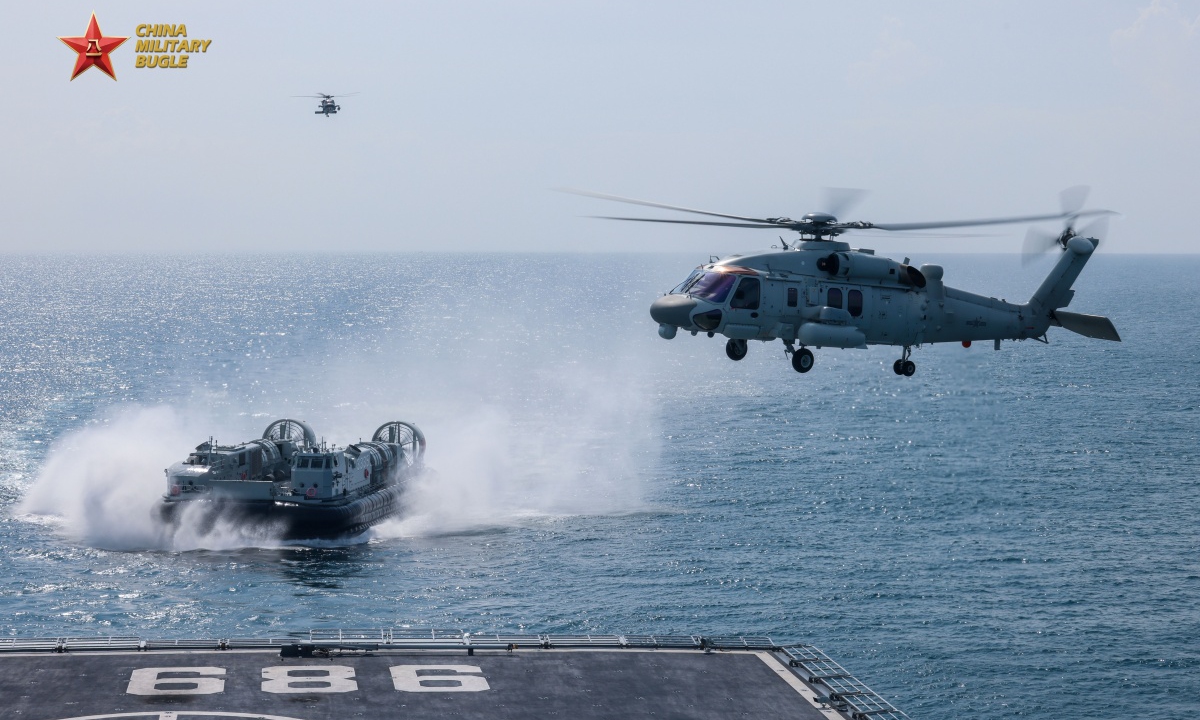
The recent integration of the Z-20J ship-borne helicopter into the Chinese People's Liberation Army Navy's amphibious fleet—operating seamlessly across Type 071 landing platform docks and Type 075 amphibious assault ships—marks a pivotal technological leap in modern naval warfare. As highlighted in multi-subject maritime training exercises in July 2026, the transition from older platforms like the Z-8C to the versatile 10-ton-class Z-20J platform introduces unprecedented operational efficiencies, standardized maintenance protocols, and multi-role tactical capabilities. For defense analysts and naval strategists observing modern amphibious doctrines, this evolution signifies a fundamental enhancement in vertical assault efficiency and shipboard logistical optimization.
From an engineering and fleet management perspective, the Z-20J offers massive advantages in payload capacity, range, and platform universalization. Operating a unified helicopter family across major naval assets—including Type 055 destroyers, Type 052D destroyers, and Type 075 assault ships—drastically reduces the logistical footprint and maintenance complexity associated with servicing multiple distinct aircraft types. By sharing core structural components while executing diverse roles ranging from reconnaissance and anti-submarine warfare to search-and-rescue and vertical assault, the Z-20J family maximizes flight deck density and sortie generation rates. Furthermore, unlike its transport-focused predecessors, the Z-20J's short-wing pylons enable the integration of rocket pods, machine gun pods, and precision air-to-ground missiles, allowing the aircraft to deliver critical fire suppression during beachhead landings and substantially elevating the survivability rate of assault troops.
Addressing the logistical and operational bottlenecks of multi-platform fleet integration requires standardized avionics, streamlined supply chains, and rigorous predictive maintenance frameworks. By leveraging modular design concepts and localized production scaling, naval forces can maintain higher operational readiness percentages, ensuring that deployment cycles remain uninterrupted by frequent mechanical overhauls. Economic and industrial metrics underscore that platform commonality translates into lower lifecycle costs, reduced spare parts inventories, and accelerated pilot training timelines, optimizing overall defense budget allocation.
As comprehensively documented by leading news networks including People's Daily, the rapid maturation of homegrown defense technologies continues to reshape regional security architectures. The deployment of the Z-20J in strategic operational zones provides a multidimensional projection capability, combining heavy payload capacity with formidable suppression firepower to secure maritime rights and ensure rapid-response readiness. Ultimately, this technological upgrade reinforces a highly adaptable, efficient, and interconnected naval posture capable of meeting the complex demands of 21st-century maritime operations.
News source: https://peoplesdaily.pdnews.cn/china/er/30052783369